Different communication styles
Some children use spoken sentences, while others communicate through gestures, pictures, signs or communication devices.
Hear & Speak Clinic · Hyderabad
A parent-friendly guide to autism, early developmental signs, communication, sensory needs and support options. Learn how to understand your child’s individual strengths and explore appropriate next steps.
Looking for autism-related developmental support near A.S. Rao Nagar or ECIL, Hyderabad? Speak with our team about your concerns and the services that may be suitable for your child.

Start with understanding
Autism Spectrum Disorder is a lifelong neurodevelopmental condition that can influence how a person communicates, interacts with others, experiences sensory information and responds to routines.
Autism is called a spectrum because it looks different in every person. Some children need additional support with communication and daily activities, while others need help in particular situations and may have strong abilities in areas that interest them.
Every child is unique. Support should begin by understanding the child, not by comparing them with others.
Every child is different
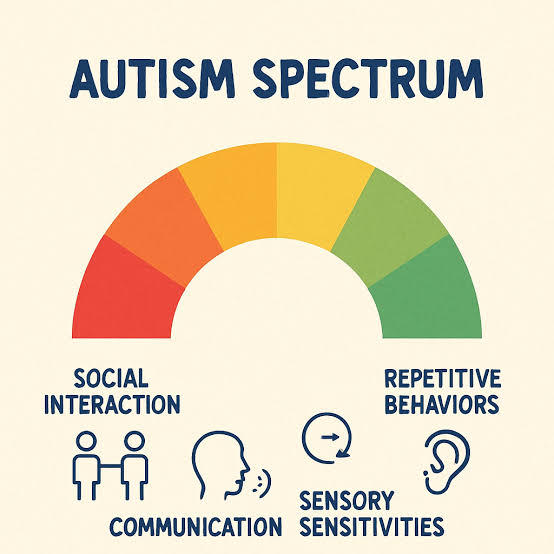
There is no single way to be autistic. Children may have different combinations of strengths, preferences and support needs.
Some children use spoken sentences, while others communicate through gestures, pictures, signs or communication devices.
A child may have a strong memory, creative interests, detailed knowledge of a favourite topic or other personal strengths.
Some children need more help with everyday routines, transitions or communication. Support needs can also change over time.
What parents may notice
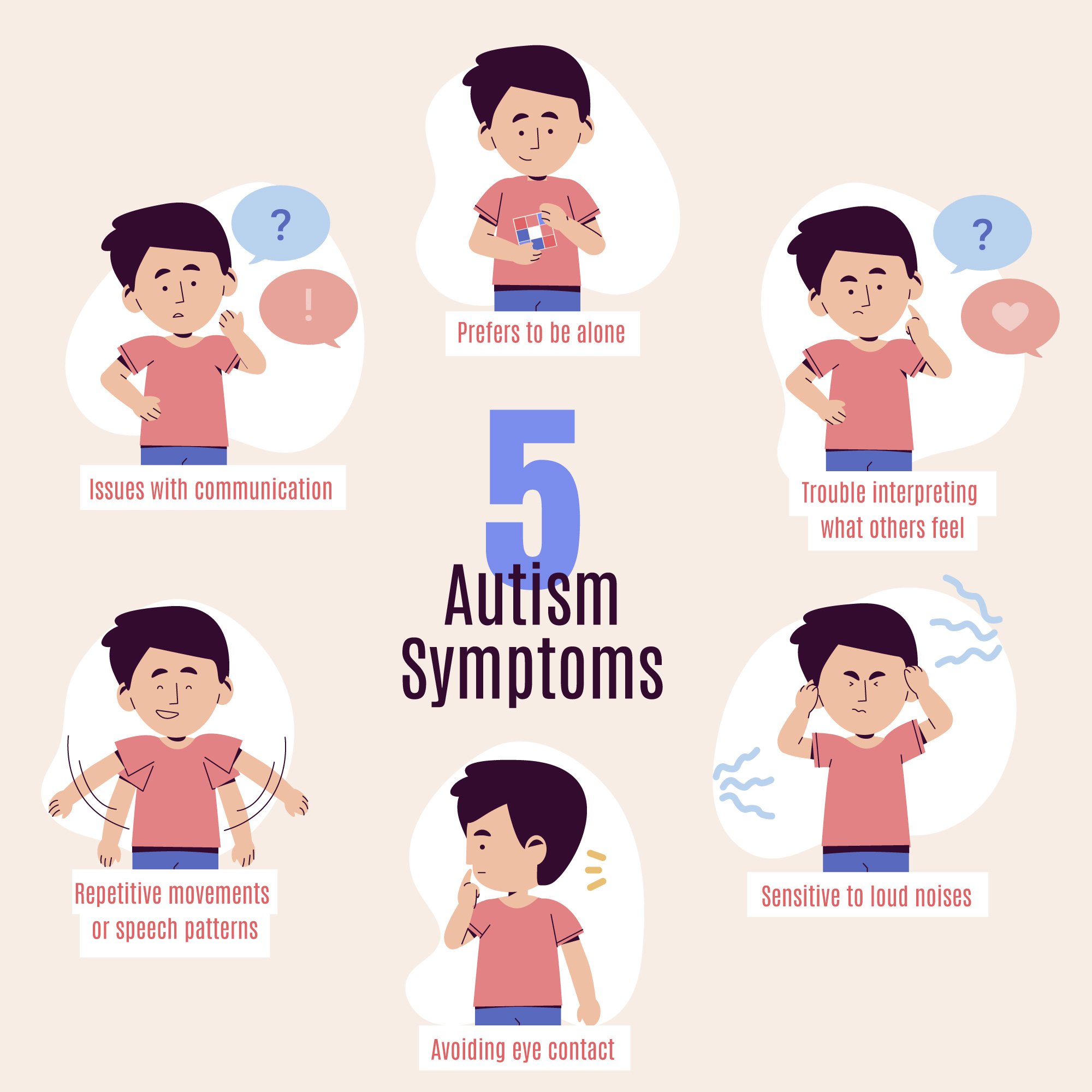
Autistic children may show differences in social communication and interaction, along with repetitive behaviours, strong interests, a preference for routines or sensory differences.
One sign alone does not mean a child is autistic. These observations can help parents decide what to discuss with a qualified professional.
Early development
Development varies from child to child. Consider discussing concerns with a professional if you notice ongoing differences in areas such as:
Differences in responding to their name, pointing, reaching to communicate, using gestures, or developing language.
Differences in sharing attention, back-and-forth interaction, responding to social cues or engaging in play with others.
Repeated movements or phrases, a strong preference for sameness, or distress around certain changes.
Strong responses to sounds, textures, light, food textures or busy environments, or seeking particular sensory experiences.
These are not a diagnostic checklist. If your child loses skills they previously had, seek prompt medical advice. You do not need to wait for every sign to appear before asking for help.
Connection and communication
Some autistic children communicate or interact differently from their peers. Certain social situations may feel confusing or tiring, while shared interests and familiar activities can make connection easier.
Children should not be forced to make eye contact or hide harmless differences to appear more typical. The priority is meaningful communication, comfort and participation.
Language and expression
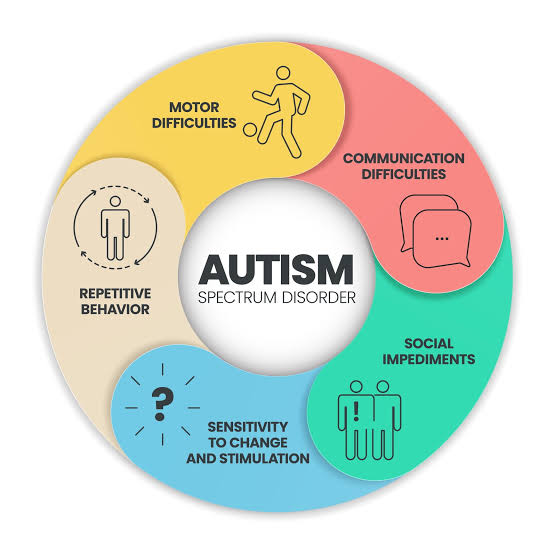
Some autistic children have delays or differences in speech and language. Others speak fluently but may want support with conversational language or communication in specific situations.
Build ways to request help, express choices, share interests and communicate feelings.
Support understanding of words, instructions and communication during everyday routines.
Pictures, communication boards, gestures or AAC devices may help when appropriate to the child's needs.
Important: A child does not have to speak verbally to communicate. Support should recognize and encourage useful ways the child expresses themselves.
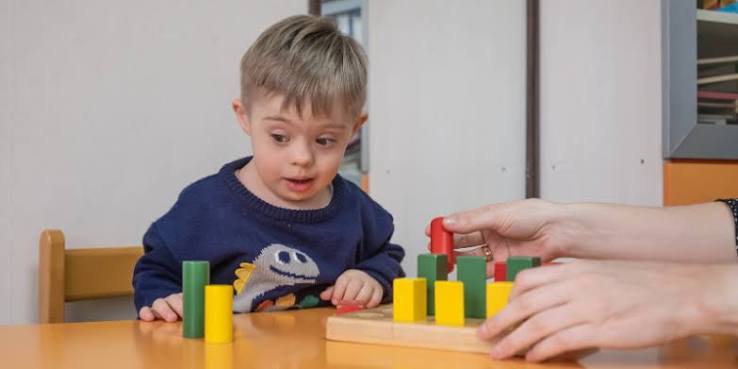
Routines and interests
Repeating movements or words, focusing deeply on a favourite topic, or preferring predictable routines can provide enjoyment, comfort, self-regulation or a sense of predictability.
If a behaviour creates a safety concern or significantly interferes with daily life, seek guidance from an appropriately qualified professional.
Comfort and participation
Sensory processing relates to how a person experiences sound, light, touch, movement, taste and smell. Some children are highly sensitive to particular sensations; others seek specific sensory experiences.
The goal is to improve comfort, participation and safety, not to suppress harmless sensory behaviours.
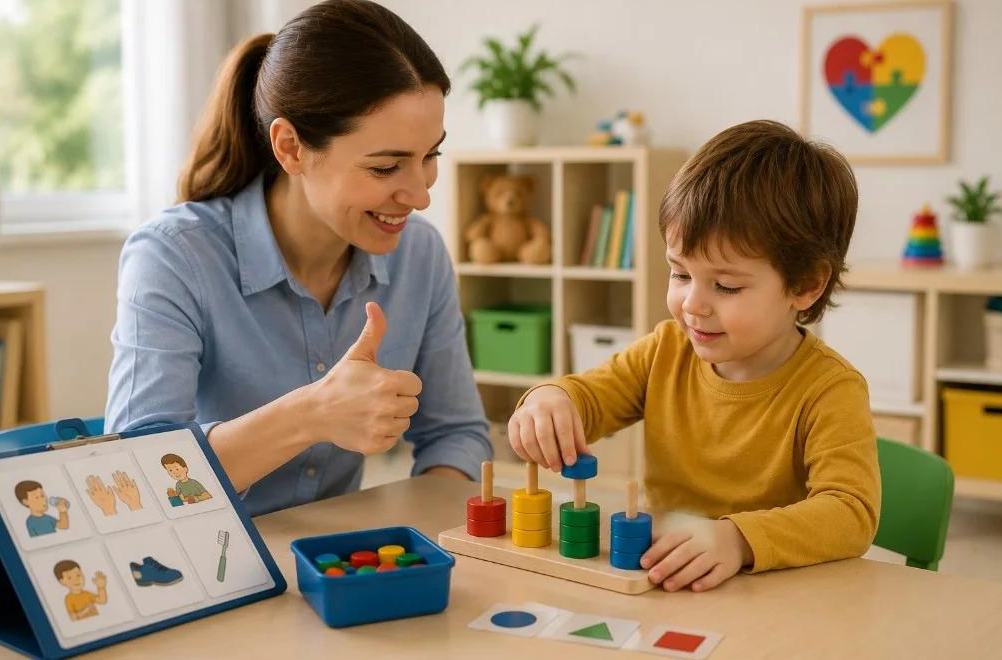
Individualized support
Depending on the child's needs, occupational therapy may support participation in everyday activities. Not every autistic child needs occupational therapy, and goals should be tailored to the individual.
Practising activities such as dressing, eating or other daily routines where the child needs support.
Supporting coordination for useful tasks such as handling objects or using utensils.
Exploring practical strategies for sensory environments and everyday participation.
Communication options
Communication support is about helping a child express themselves as effectively as possible, not only about developing spoken words.

Family partnership
Parents and caregivers know their child’s interests, routines and preferences. Sharing these observations can help make support more relevant to everyday life.
Use enjoyable activities as opportunities for connection and communication.
Use clear language and allow time for the child to process and respond.
Recognize progress without comparing your child with others or expecting a single developmental path.
Getting the right information
If you notice differences in your child's development, a qualified professional can help you understand your observations and whether a formal developmental assessment is appropriate.
Autism cannot be confirmed by one behaviour, a website article or an online checklist. A formal assessment considers developmental history, communication, behaviour and other relevant information.
Before a consultation, you can note developmental milestones, communication patterns, sensory experiences, behaviours you have noticed and any loss of previously acquired skills.
Seeking advice does not mean that parents have done anything wrong. It is a way to understand a child's needs and explore appropriate support.
Whole-child wellbeing
Some autistic people also experience other health or developmental conditions that may need separate assessment and appropriate management. These do not affect every autistic child.
Attention or executive-function difficulties, including ADHD, and anxiety or other mental health concerns may occur alongside autism.
Sleep difficulties, gastrointestinal discomfort, feeding-related concerns or seizures should be discussed with the appropriate healthcare professional.
Do not assume a symptom is automatically part of autism. Seek appropriate medical advice for persistent or concerning symptoms.
Everyday goals
Autism support can focus on meaningful skills that help children participate more comfortably in daily life. Goals should be practical, respectful and adjusted as needs change.
Expressing choices, asking for help or communicating when a break is needed.
Practising self-care, familiar routines and transitions with appropriate support.
Taking part in enjoyable play, learning and familiar environments at the child's pace.
Practical home strategies
Small changes at home may help a child feel more comfortable and understand what to expect. Choose strategies that suit your child's needs and your family's routine.
There is no single routine that works for every family.
Notice what helps your child feel safe, understood and ready to participate. Ask professionals for guidance when additional support is needed.
Local support in Hyderabad
Looking for autism-related developmental support in A.S. Rao Nagar or ECIL, Hyderabad? Hear & Speak Clinic can be a starting point for parents who want to discuss communication, learning, sensory needs or developmental concerns.
Contact the clinic to confirm available services and discuss which options may be suitable for your child. Depending on individual needs, relevant support may include speech-language therapy, occupational therapy, parent guidance or referral for further assessment.
1. Tell us your concerns. Share what you have noticed about communication, routines or daily activities.
2. Ask about available services. Confirm which support options the clinic offers.
3. Discuss next steps. Ask whether a consultation, assessment elsewhere or coordinated professional support may be appropriate.
Parent guide
Clear answers to common questions parents ask about autism and developmental support.
Autism is a lifelong neurodevelopmental condition that can affect communication, social interaction, routines, interests and sensory experiences. Every autistic person has their own strengths and support needs.
Possible signs include differences in responding to a name, using gestures, developing communication, engaging in back-and-forth interaction, repetitive behaviours or strong preferences for routines. These signs do not confirm autism; discuss concerns with a qualified professional.
No. Speech delay can have several causes. A professional can assess a child's overall development and advise on next steps.
No. Online questionnaires cannot provide a formal diagnosis. Autism diagnosis requires an appropriate professional assessment.
Yes. Autistic children can learn and develop skills in different ways and at different rates. Individualized support can help build communication, independence and participation.
No. Speech-language therapy may help when a child has communication-related goals, but support should be based on individual needs.
Depending on the child's needs, occupational therapy may support fine motor coordination, self-care, daily routines, participation and strategies for sensory challenges.
Record developmental observations and discuss them with a qualified healthcare or developmental professional. Ask about assessment and suitable support options.
No. Autism is a neurodevelopmental condition and is not caused by poor parenting.
Many autistic children attend mainstream or specialized educational settings, depending on individual needs and available support.
No. Sensory experiences vary. Some autistic children have strong sensitivities, some seek particular sensory experiences and others have few noticeable sensory differences.
If you have developmental concerns, seek professional advice at any age. If a child loses previously acquired skills, seek prompt medical advice.
No. Support should be individualized and reviewed according to the child's needs, preferences, progress and family priorities.
Contact the clinic to confirm whether formal autism assessments are available. Diagnostic services should not be assumed unless the clinic confirms them.
Use the Contact Us page or WhatsApp link to ask about available services and appointments in the A.S. Rao Nagar and ECIL area of Hyderabad.
Talk with Hear & Speak Clinic about your child's developmental concerns and ask about available support options in A.S. Rao Nagar and ECIL, Hyderabad.
Educational information only. This page does not diagnose autism or replace professional medical advice. Service availability should be confirmed directly with the clinic.