01
Conductive Hearing Loss
Occurs when sound cannot travel efficiently through the outer or middle ear. Possible causes include earwax blockage, fluid in the middle ear or problems affecting the eardrum or ossicles.

Have you ever wondered how your ears help you hear the world around you? Explore the fascinating structure of the human ear and discover how its different parts work together to support hearing and balance.
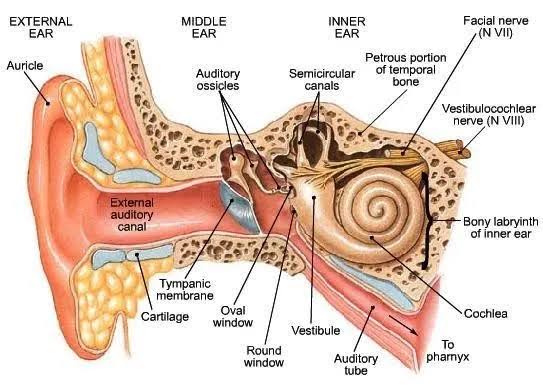
The human ear is a complex sensory organ that helps us hear sounds and maintain balance. It is divided into three main regions: the outer ear, middle ear and inner ear.
Each part has a different role. The outer ear collects sound, the middle ear transfers vibrations, and the inner ear converts these vibrations into electrical signals that travel to the brain. Together, they help us recognise voices, enjoy music and understand the sounds around us.
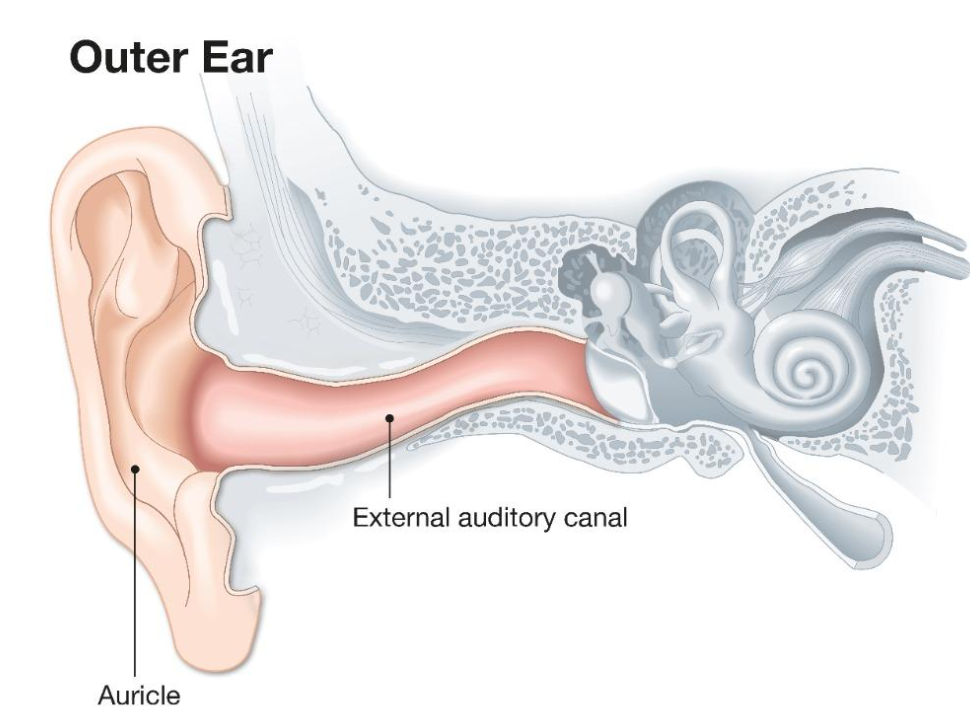
The outer ear is the visible part of your ear and the passage that carries sound towards the eardrum. It helps collect sound waves from your surroundings and direct them into the ear canal.
Earwax is produced in the ear canal and helps protect the ear by trapping dust and small particles.
The middle ear is an air-filled space located behind the eardrum. It contains three tiny bones, known as the ossicles. These bones transmit vibrations from the eardrum towards the inner ear.
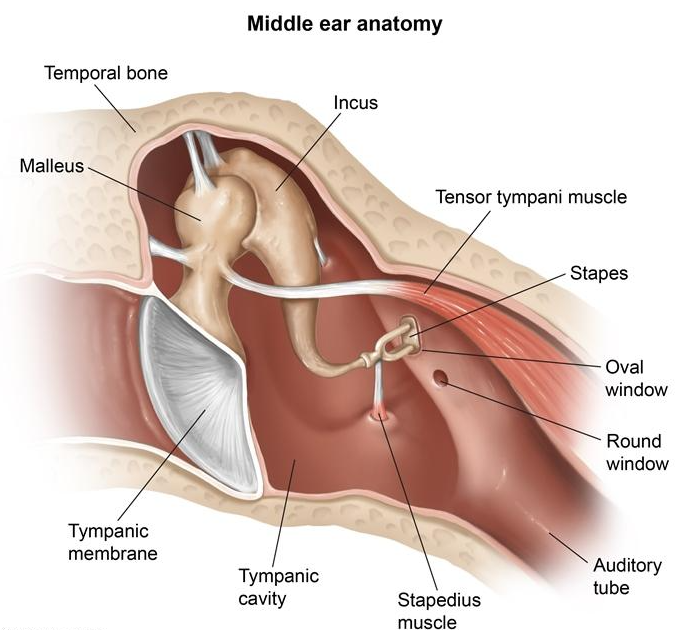
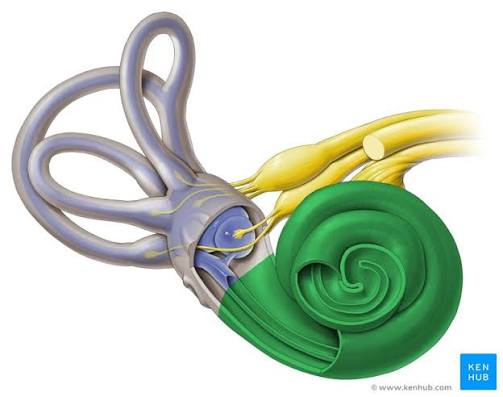
The inner ear contains delicate structures responsible for hearing and balance. It receives vibrations from the middle ear and converts them into electrical signals that the brain can understand.
The cochlea is mainly responsible for hearing, while the vestibular system is involved in balance.
Hearing is a process in which sound waves travel through the ear, become vibrations and are converted into electrical signals. The brain then interprets these signals as the sounds we recognise every day.
Watch how sound travels through the outer, middle and inner ear.
Your inner ear does more than help you hear. It also contains a specialised balance system called the vestibular system. This system helps your brain understand the position and movement of your head.
The vestibular system works together with your eyes and sensory information from your body to help you stay balanced, move confidently and maintain a stable view of your surroundings.
Semicircular Canals: Detect rotational head movements.
Utricle: Helps detect horizontal movement and head tilt.
Saccule: Helps detect vertical movement and gravity.
Hearing loss can occur when sound is not properly transmitted through the ear or when the inner ear or hearing pathways cannot process sound signals normally. Three common categories help explain these differences.
Occurs when sound cannot travel efficiently through the outer or middle ear. Possible causes include earwax blockage, fluid in the middle ear or problems affecting the eardrum or ossicles.
Occurs when the inner ear, particularly the cochlear hair cells, or the auditory nerve pathways are affected. It may make speech and sounds difficult to hear or understand.
This is a combination of conductive and sensorineural hearing loss. Both sound transmission and inner-ear hearing mechanisms are affected.
The type and degree of hearing loss cannot be determined from symptoms alone. A proper hearing assessment helps identify the nature of the hearing difficulty.
Hearing difficulties can develop gradually, and sometimes the early signs are easy to overlook. Recognising these changes and getting your hearing checked can help you understand what is happening.
A hearing test performed by a qualified audiologist can evaluate your ability to hear different sounds and help identify possible hearing difficulties.
Find simple answers to common questions about the structure and functions of the human ear.
The human ear has three main parts: the outer ear, middle ear and inner ear. Each plays a different role in collecting sound, transmitting vibrations and sending hearing signals to the brain.
The outer ear collects sound waves from the environment and directs them through the ear canal towards the eardrum.
They are the malleus, incus and stapes, commonly called the hammer, anvil and stirrup. They transmit vibrations from the eardrum towards the inner ear.
The cochlea is a spiral-shaped structure in the inner ear. It converts sound-related mechanical vibrations into electrical signals that can travel to the brain.
The auditory nerve carries electrical signals from the cochlea towards the brain, where the signals are processed and interpreted as sound.
The vestibular system in the inner ear helps detect head movement and position. It works with the eyes and other sensory systems to maintain balance.
Conductive hearing loss involves problems transmitting sound through the outer or middle ear. Sensorineural hearing loss involves damage or dysfunction in the inner ear or auditory nerve pathways.
Yes. Damage to cochlear hair cells or other inner-ear structures can cause sensorineural hearing loss. The degree and type of hearing difficulty vary.
A hearing test helps evaluate how well you hear different frequencies and sound levels. It can help identify hearing difficulties and guide further care.
Consult an audiologist if you experience difficulty hearing conversations, frequently ask people to repeat themselves, or notice changes in your hearing. Sudden hearing loss requires urgent medical assessment.
Understanding your ear is the first step towards understanding your hearing. If you have concerns about your hearing, arrange a professional hearing assessment with our team.
Book a Hearing Test →